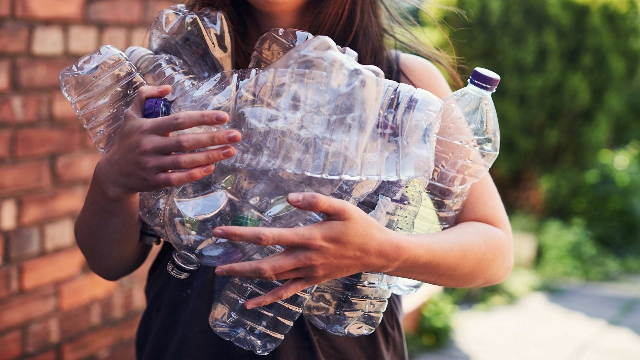
Article Please login to favourite this article. We consume over 74,000 microplastic particles a year Biological SciencesChemical SciencesEarth SciencesSTEM Humans consume more than 74,000 microplastic particles each year, according to a study published this week, but the impact on... Years 4 & 6-9
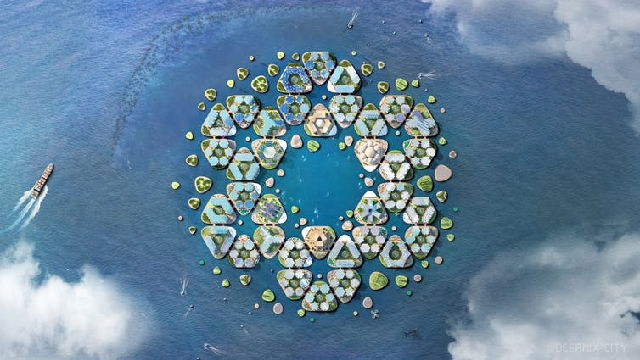
Article Please login to favourite this article. Technology isn’t a barrier to us living on floating cities Biological SciencesEarth SciencesPhysical SciencesSTEM Topics: Biological Sciences – Ecosystems, Lifecycles, Living Things Earth and Space Sciences – Renewable/non-renewable resources, Rocks, Extreme Earth Events, The... Years 4-9
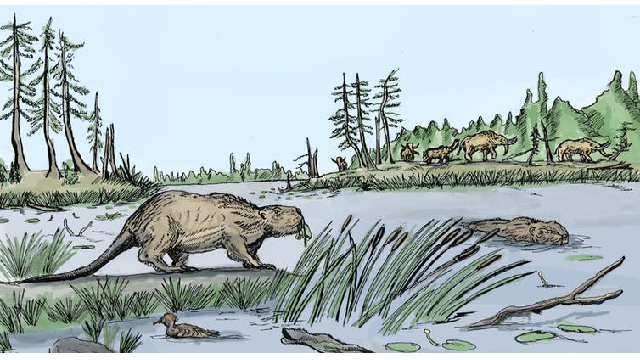
Article Please login to favourite this article. Why giant human-sized beavers died out 10,000 years ago Biological SciencesChemical SciencesEarth SciencesSTEM Topics: Biological Sciences – Ecosystems, Genetics, Lifecycles, Living Things Chemical Sciences – Atoms Earth and Space Sciences – Extreme Earth... Years 5-10
Article Please login to favourite this article. New biodiversity report shows 1 million species on brink of extinction Biological SciencesEarth SciencesSTEM Topics: Biological Sciences – Ecosystems, Lifecycles, Living Things Earth and Space Sciences – Renewable/ Non-Renewable Resources, The Changing Earth Additional:... Years 1-2 & 4-10
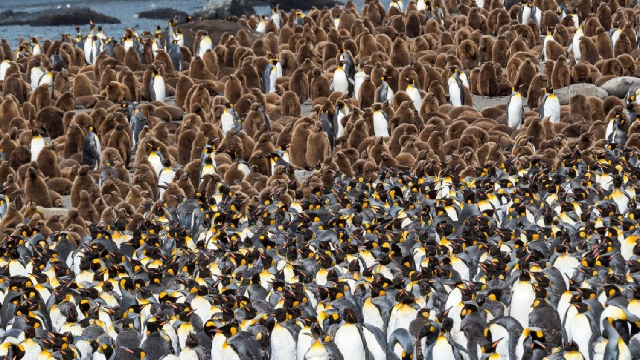
Article Please login to favourite this article. For Antarctic food webs, penguin poo is the gift that keeps on giving Antarctic ScienceBiological SciencesChemical SciencesEarth SciencesSTEM Topics: Biological Sciences – Ecosystems, Lifecycles, Living Things Chemical Sciences – Chemical Reactions, Atoms, Solids/ Liquids/ Gases Earth and Space... Years 2, 4, 6-8 & 10
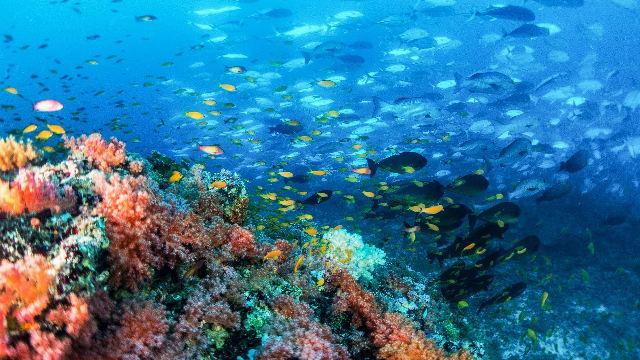
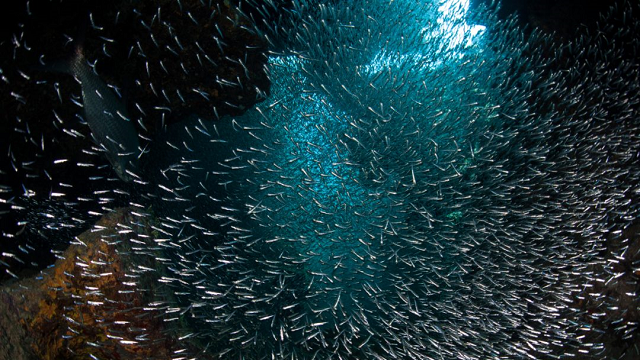
Article Please login to favourite this article. Ocean ecosystems fight back against Climate Change Biological SciencesEarth SciencesSTEM Topics: Biological Sciences – Ecosystems; Genetics Earth and Space Sciences – The Changing Earth Additional: Careers Concepts (South Australia): Biological... Years 6-7 & 9-10
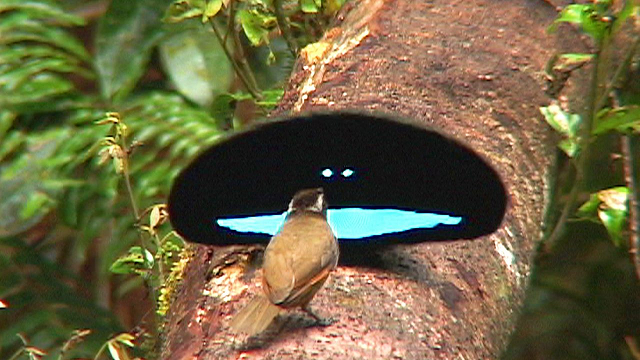
Article Please login to favourite this article. The blackest bird feathers rival Vantablack Biological SciencesPhysical SciencesSTEM Topics: Biological Sciences – Ecosystems; Genetics Physical Sciences – Energy Concepts (South Australia): Biological Sciences – Interdependence and Ecosystems; Diversity... Years 5-7 & 10
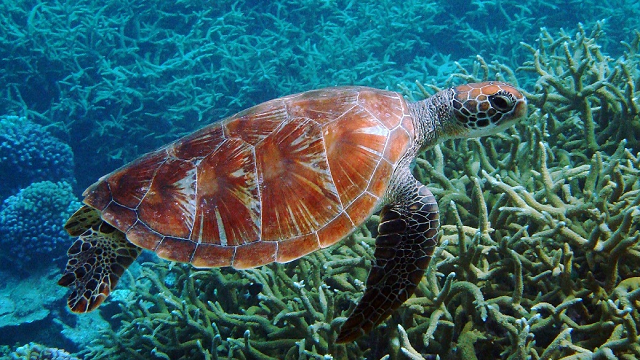
Article Please login to favourite this article. Warmer climates are turning green sea turtles female Biological SciencesEarth SciencesPhysical SciencesSTEM Topics: Biological Sciences – Ecosystems; Lifecycles Earth and Space Sciences – The Changing Earth; Renewable/Non-renewable resources Physical Sciences – Energy... Years 4, 6-7 & 9-10